Topsoil calculator for Nebraska
Topsoil quantities for lawns, beds, and finish grading, with depth guidance for ordering.
Enter your project dimensions
Start with depth, because it changes the order more than square footage. At 4-inch depth, a 1,000-square-foot lawn takes 12 cubic yards, while a half-inch topdressing takes only 1.5 yards. Decide the purpose of the soil first. Enter the area and depth here to get cubic yards, which is how topsoil is sold, along with tons using about 2,200 lb per dry yard. Screened topsoil has rocks, roots, and clods removed, cutting down on raking.
Pick depth before calculating
- Lawn topdressing: 1/4 to 1/2 inch, raked in with grass tips left exposed.
- Prepare for overseeding: 1/2 to 1 inch.
- For a seeded or sodded lawn, place 4-6 inches over a loosened subgrade.
- Flower beds: 6 inches, blended into the native soil underneath.
- Use 12 inches for raised vegetable beds. For bed projects, a garden-soil blend is the better material, so use the Soil Calculator.
- Find the area in feet, then select a listed depth.
- To find cubic yards, take cubic feet ÷ 27. For tons, use yards × 1.1. The calculator runs both figures and applies 5% when the allowance stays on.
Tons = cubic yards × 1.1
Mulch coverage guide
| Depth | 1 cubic yard covers | 5 yards cover |
|---|---|---|
| 1/2 inch topdress | 648 sq ft | 3,240 sq ft |
| 2 inches | 162 sq ft | 810 sq ft |
| 4 inches | 81 sq ft | 405 sq ft |
| 6 inches | 54 sq ft | 270 sq ft |
| Project | Typical size | Depth | Volume | Weight |
|---|---|---|---|---|
| New lawn, seed or sod | 1,000 sq ft | 4" | 12.3 yd³ | 13.6 tons |
| Lawn topdressing | 2,000 sq ft | 0.5" | 3.1 yd³ | 3.4 tons |
| New flower bed | 15 x 4 ft | 6" | 1.1 yd³ | 1.2 tons |
| Patch repairs around the yard | ≈ 150 sq ft | 2" | 0.9 yd³ | 1 tons |
| Finish grade over fill | 600 sq ft | 4" | 7.4 yd³ | 8.1 tons |
Example calculation: 1,000 square feet of new lawn
For a 4-inch depth, 1,000 x 0.333 = 333 cubic feet = 12.3 cubic yards, or roughly 13.5 tons on the truck. Order 12.5 to 13 yards, then use any difference along edges and in low spots. Build up the subgrade with fill dirt first if needed, and reserve topsoil for the upper 4 inches of the root zone.
Screened topsoil and ways to check a load
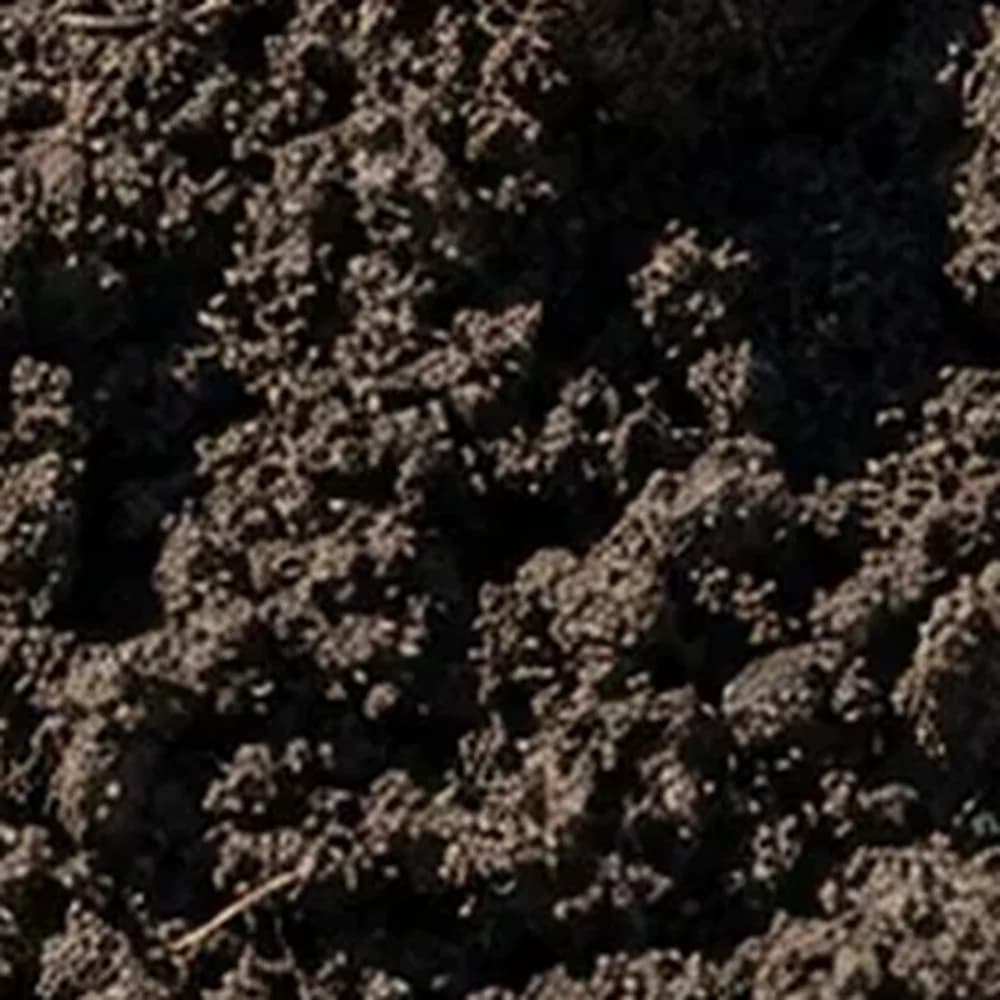
Topsoil is the natural upper soil layer, where organic matter is present. Screening runs it through mesh to remove stones, roots, and clods. Screened material should be dark, crumbly in your hand, and earthy-smelling instead of swampy. Press a moist handful into a loose ball, then poke it: it should break apart. A smooth ribbon suggests heavy clay, while soil that will not form a ball is mostly sand. Gray color or a sour odor can indicate wet, airless storage, and visible rhizomes can introduce weeds. Take photos before spreading if anything looks unusual.
Spread it the right way
- Before spreading, break up the ground underneath to an inch deep. Four inches of topsoil laid over compacted clay can hold water like a plugged tub.
- Slope the grade away from the house with a 6-inch drop across the first 10 feet.
- Settle the soil lightly, not by stomping it. In settled topsoil, a footprint should leave an impression about half an inch deep.
- Set delivery during the week you plan to spread the material. A pile hit by rain can weigh a third more per shovel and will smear instead of rake cleanly.
Topsoil ordering basics
How much topsoil is required for a new lawn?
What does a yard of topsoil weigh?
What is the price of a yard of topsoil?
What area will a yard of topsoil cover?
What does topsoil mean?
Can topsoil go on top of existing grass?
For beds, topsoil or garden soil?
Should I till before putting down topsoil?
More calculators
Finished the lawn math? Schedule soil delivery.
Screened topsoil sold by the cubic yard, with free delivery across Nebraska.