River rock calculator for Nebraska
Stone size changes tonnage coverage: 3-inch rock covers half the area of 1-inch rock per ton.
Enter your project dimensions
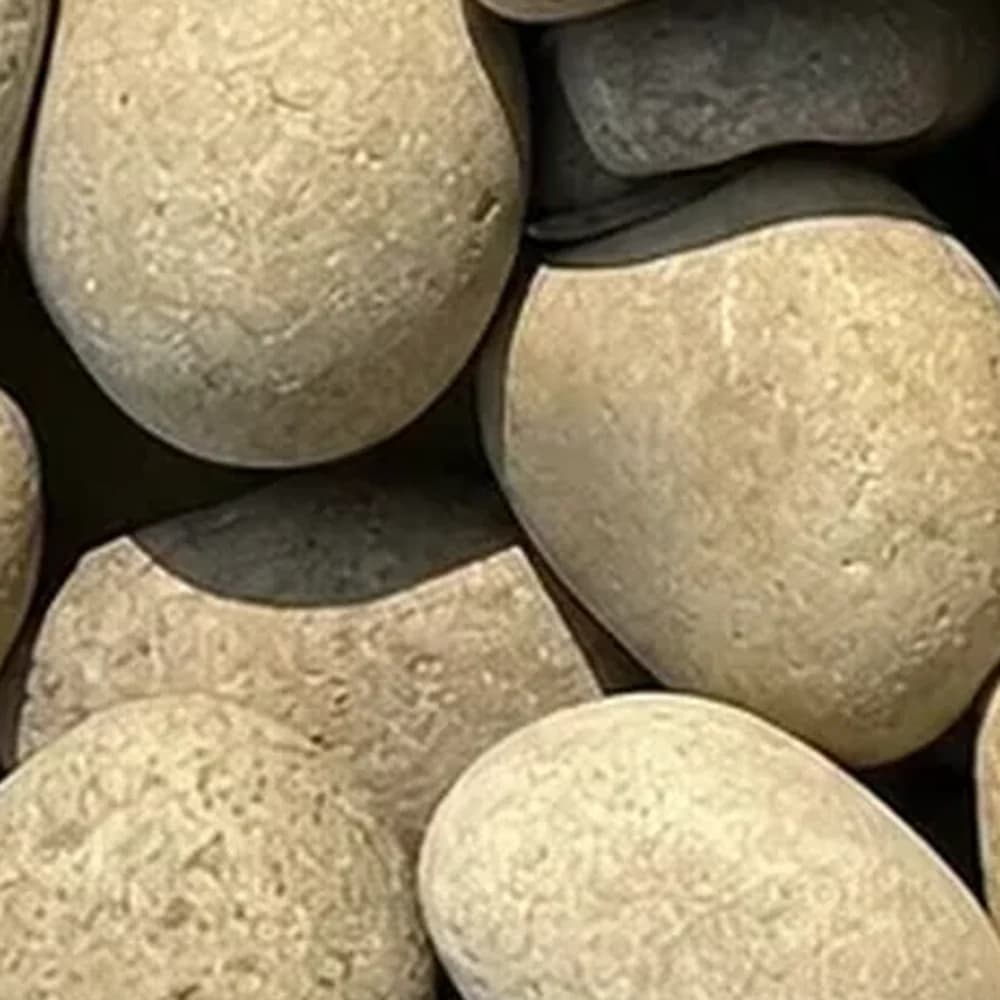
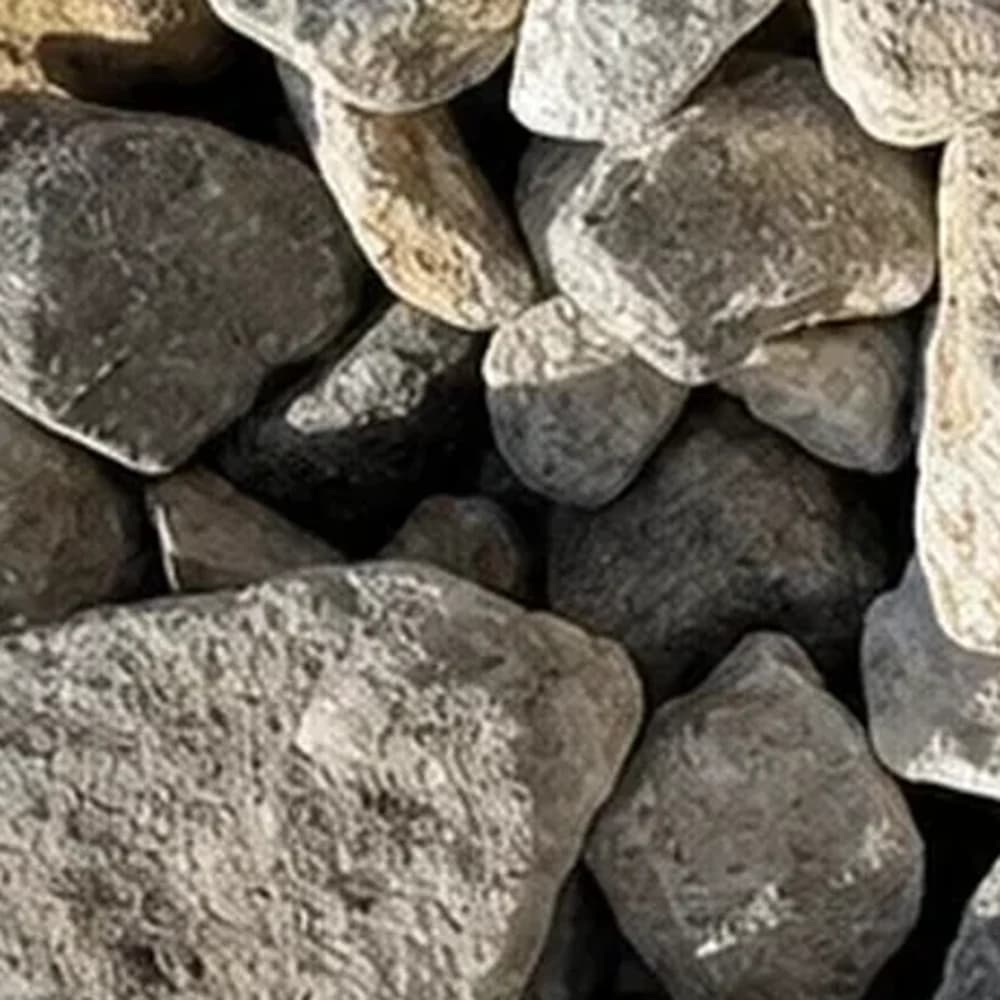
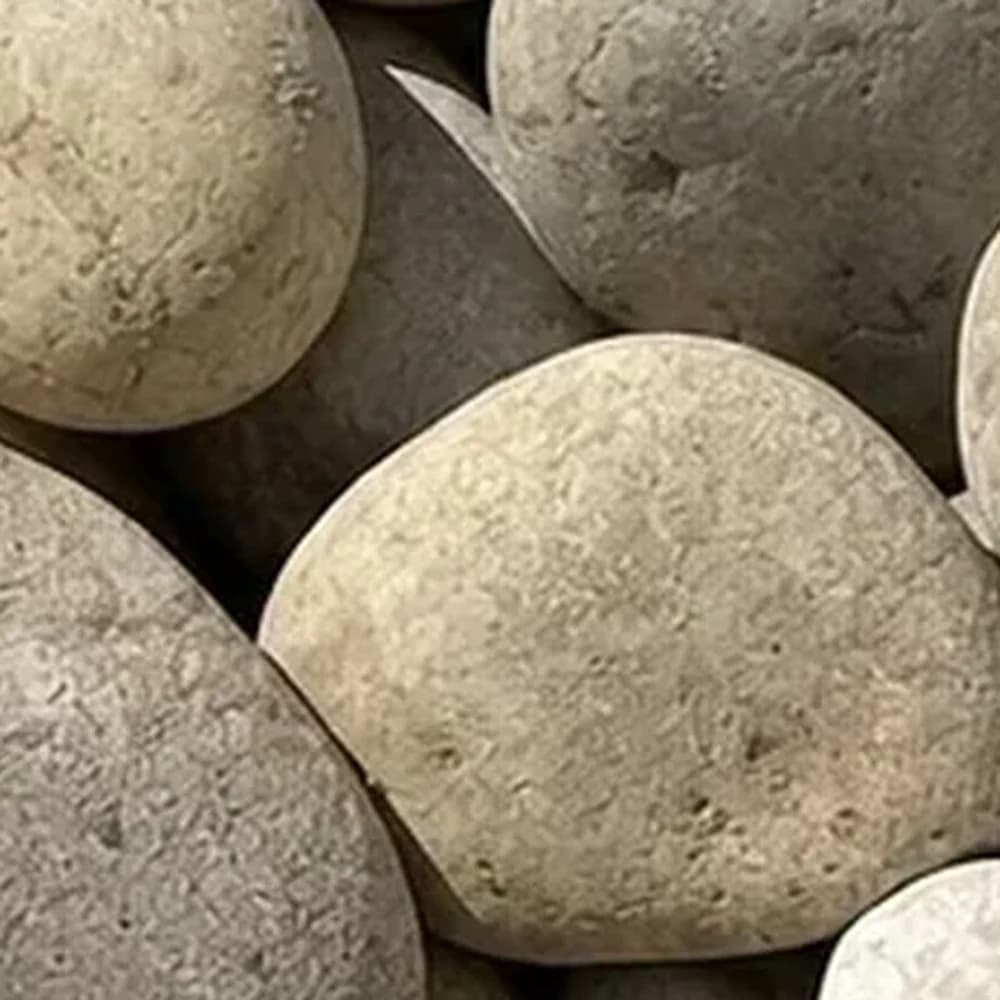
River rock coverage starts with stone size. A layer about twice the stone diameter is needed to conceal the ground: use 2 inches for 1-inch rock and 4 inches or more for 3-inch rock. The ton weighs the same but covers half the area. Select the stone size and enter the bed measurements, and this calculator uses river rock's 2,700 lb per cubic yard weight to calculate tons. The delivery pile can appear smaller than expected. One ton is only three-quarters of one cubic yard. When fabric shows after spreading, the issue is insufficient depth rather than too little material.
Plan the order
- Take the measurements for every border and bed in feet, then use multiple-areas mode to combine separate spaces.
- Match the layer depth to the rock: 2 inches with 3/4-1 inch material, 3-4 inches with 1-3 inch material, and 4-5 inches for larger rock.
- For cubic yards, divide cubic feet by 27; multiply yards by 1.35 to find tons.
Per-ton coverage by size
| Stone size | Layer depth | 1 ton covers |
|---|---|---|
| 3/4–1" river rock | 2 inches | ≈ 120 sq ft |
| 1–3" river rock | 3 inches | ≈ 80 sq ft |
| Large river rock (2–4") | 4–5 inches | ≈ 53 sq ft |
| Oversize accents | single layer | 35–50 sq ft |
| Project | Typical size | Depth | Volume | Weight |
|---|---|---|---|---|
| Foundation border | 40 x 3 ft | 3" | 1.1 yd³ | 1.5 tons |
| Dry creek bed | 25 x 4 ft | 4" | 1.2 yd³ | 1.7 tons |
| Accent beds | ≈ 150 sq ft | 2" | 0.9 yd³ | 1.3 tons |
| Downspout splash zones, x4 | 3 x 2 ft each | 3" | 0.2 yd³ | 0.3 tons |
| Front-yard xeriscape | ≈ 600 sq ft | 3" | 5.6 yd³ | 7.5 tons |
Install fabric before rock
Without landscape fabric, bare soil gradually takes in the stone and weeds can grow through the bed. By three years, it may need a top-up that a few dollars of fabric per roll could have avoided. First place non-woven fabric, secure it with pins, and spread the rock. For drain rock in a working drainage path, enclose the stone in fabric rather than placing fabric beneath it.
Ways to give rock beds a natural look
- Blend sizes by using a 1 to 2 inch base, then place larger stones in small groupings. One consistent size can appear overly formal.
- For a dry creek bed, sink the largest anchor stones a third into the ground so they appear shaped by moving water.
- After installation, hose down the rock. Quarry dust on delivered material can mute the color until it is rinsed away.
- Beside a foundation, lay 3 to 4 inches of rock on fabric, sloping it gently outward from the wall. This creates a tidy border and helps carry roof runoff along the edge.
- Use a blower on low to remove leaves. Raking can send rock into grass, where it may later meet mower blades.
Example: a 200-square-foot bed
At 2 inches deep, one-inch river rock calculates as 200 x 0.167 = 33 cubic feet = 1.2 cubic yards, or about 1.7 tons. Order two tons. Put the remainder in a double layer at the front edge, where the bed is most visible and wears thin first.
Rock or mulch over five years
Mulch adds to the soil and costs less per delivery, but it needs replacing every year or two. River rock costs more at first, then generally keeps the same appearance through year five. Since it can warm surrounding soil in summer, mulch is often used in planted beds and rock along borders, drainage lines, and edges. Enter identical dimensions in both calculators to see how tonnage accounts for the price difference.
Questions about river rock coverage and pricing
How can I calculate the river rock I need?
What square footage will 1 ton of river rock cover?
What area does 50 lbs of river rock cover?
What is the cost of a ton of river rock?
What depth should river rock have?
Is landscape fabric needed under river rock?
Can river rock be placed over mulch?
What does a yard of river rock weigh?
More calculators
Planning a long-lasting rock bed.
River rock, large river rock, and drain rock are sold by the ton with free delivery included.